
In 1,800-Mile Road Trip, Delegate Visits Rural Communities
February 6, 2026

By Layli Miron | September 2025
This year marked the final road trip Dan Geiger undertook to deliver his report as delegate to the Bahá’i National Convention, the annual gathering that elects the National Spiritual Assembly of the United States. After serving on and off for 30 years, Geiger is retiring.
For most of his life, Geiger has lived in Billings, Montana. Montana and northern Idaho belong to a single electoral unit, which currently encompasses eight Local Spiritual Assemblies and 16 registered groups. “It’s actually bigger than California land wise,” Geiger says.
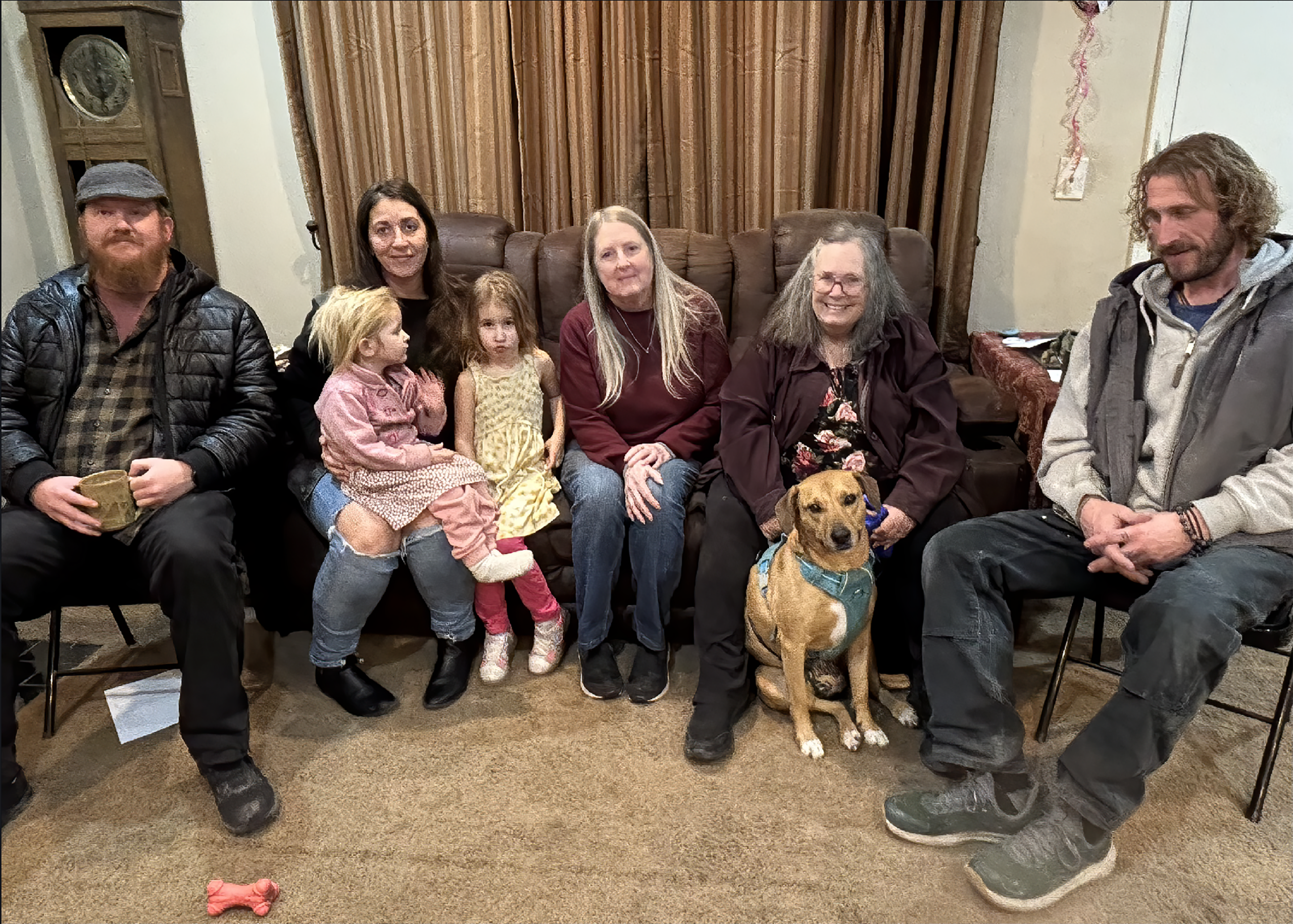
In years when the Bahá’is of Electoral Unit 100 have elected him to represent them at the National Convention, Geiger and his wife, Diana—accompanied by Dana, their Yorkshire Terrier—take their RV on an 1,800-mile loop. They stop in each community to present the report, facilitate consultation and share a meal. Often, they camp in their RV overnight, then continue the trip in the morning, completing the loop in 11 days.
“It’s almost like a home visit with more than just one family there,” Geiger reflects. “It really gets you connected to people. We have isolated believers here who come to see the report but that we don’t see often in person. We’ve become friends over the years, and the regular visits strengthen those friendships.”

Geiger strives to make these gatherings – which are open to Bahá’is and friends of the Faith alike – participatory. He spends half the time recounting the consultation at the National Convention. “The other half is encouraging participants to consult on what’s happening in their community and how to apply what happened,” he says.
Now 80 years old, Geiger became a Bahá’i around age 50, having learned about it from Diana. “I became a Bahá’i one year, the next year, 1995, I was elected [as a] delegate—that was a surprise!”
Looking back on several decades of conventions, Geiger, a white man, credits them for his evolving perspective on racial amity. In contrast to the predominantly white population of the Northern Plains, the National Convention, with its diversity of delegates, has enabled him to form friendships with Bahá’is of color from around the country.
When Geiger arrived at the hotel for his first National Convention, they had overbooked and had no room for him. A Black man, observing Geiger’s predicament, offered the second bed in his room. Geiger says he was amazed by the amount of trust this man, Ron Van Pelt, placed in a stranger. “I asked him, ‘Are you a Bahá’i?’ He laughed and said yes, and that he could usually spot them!”
Van Pelt and Geiger became fast friends, talking late into the night. When they parted, Van Pelt shared the healing power of this relationship: “He said, ‘I don’t think you get it, but being loved by a white man really helps a Black man heal the injuries of my lifetime.’”
Van Pelt passed away before the next National Convention. Decades later, Geiger keeps a photo of his friend on his desk.
At the 2024 National Convention, Geiger says he gained perspective. On the second day of the convention, delegates had a poignant, spiritually profound conversation about racism in America, following another delegate’s heartfelt comments regarding the police killing of Patrick Lyoya and the actions his community took in the wake of Lyoya’s death.
Geiger brought that conversation back home, making race a focus of consultation during the delegate reports. He asked participants, nearly all of whom are white, to reflect on the social challenge of racism from a personal perspective, and their role in working towards race unity.
“A month or two later, I got an email. One participant [who] shared a story of not rising to help a family in need said he’d gotten ahold of the family, made amends, and was planning to visit them,” Geiger says. “That’s the kind of thing that makes the delegate report more heartfelt, [when] people can share things that are part of their lives.”
You may also like
You may also like