
Building a Fortress: Three married couples implement new patterns of family life
November 6, 2025

By Michèle Jubilee
In a culture that increasingly views marriage as unnecessary or dispensable, Bahá’u’lláh’s Teachings provide a shelter of guidance and encouragement. His Writings say that marriage is a spiritual institution, our family units are the centers from which ripple out intergenerational healing and spiritual growth, and our homes and marriages can be fortresses of well-being.
What does it look like to build a fortress of well-being? What are some of the challenges and blessings a Bahá’í perspective and practice brings?
Utilizing the framework of thought and action inspired by the Ruhi institute process, Married couples and families all over the world are learning how to implement daily patterns of life that reflect Bahá’u’lláh’s call for world unity and oneness. Here are some reflections from three couples in the United States.
How has the Bahá’í Faith and institute process helped you build a new framework for marriage and family life?
Kyle: The institute process has had a big impact on our union, even in courtship. It helps us create a culture of learning, which is fundamental to reconciling differences and building new patterns, questioning old [ones] and maintaining unity.
Estella: Our marriage and family dynamics are very much evolving and growing. The institute process has really shaped our growth—especially how we utilize our time while we are both in demanding professional schools.
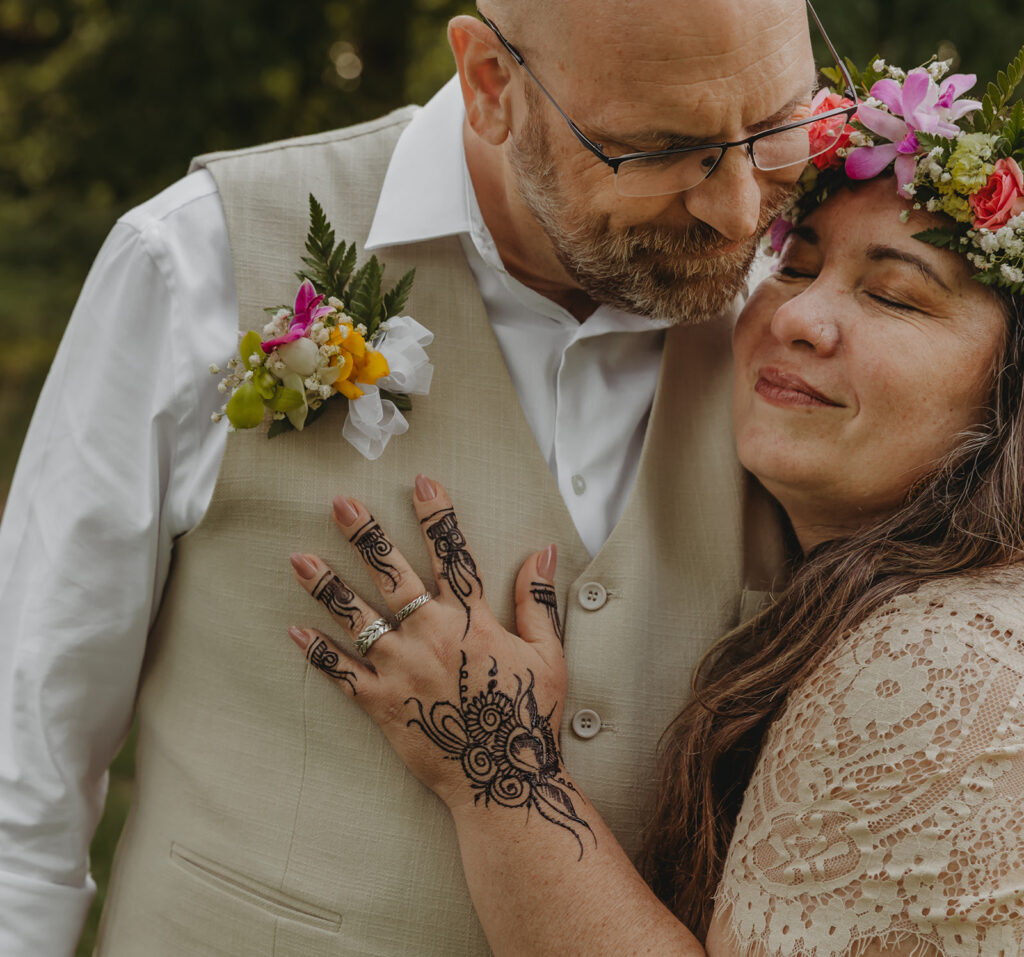
Nadia: The March 19, 2025 message from the House of Justice truly pushed me off the fence, and helped me feel prepared for re-marriage. Having such clear guidance with which to navigate this new union filled me with great hope, optimism and confidence about our union.
What conversations did you and your spouse have before marriage to prepare for family life?
Phillip: We explored carefully the characters of one another and spoke openly and honestly about the things we learned about ourselves through our past marriages – focusing on the many ways we have healed and grown since we divorced. We discussed communication styles, goals and aspirations for service, our approaches to material life, practical aspects of relocating and establishing a home together, and sought individual and couples counseling to help us cultivate a sound baseline for a harmonious relationship.
How have your perspectives on raising children and safeguarding family life developed?
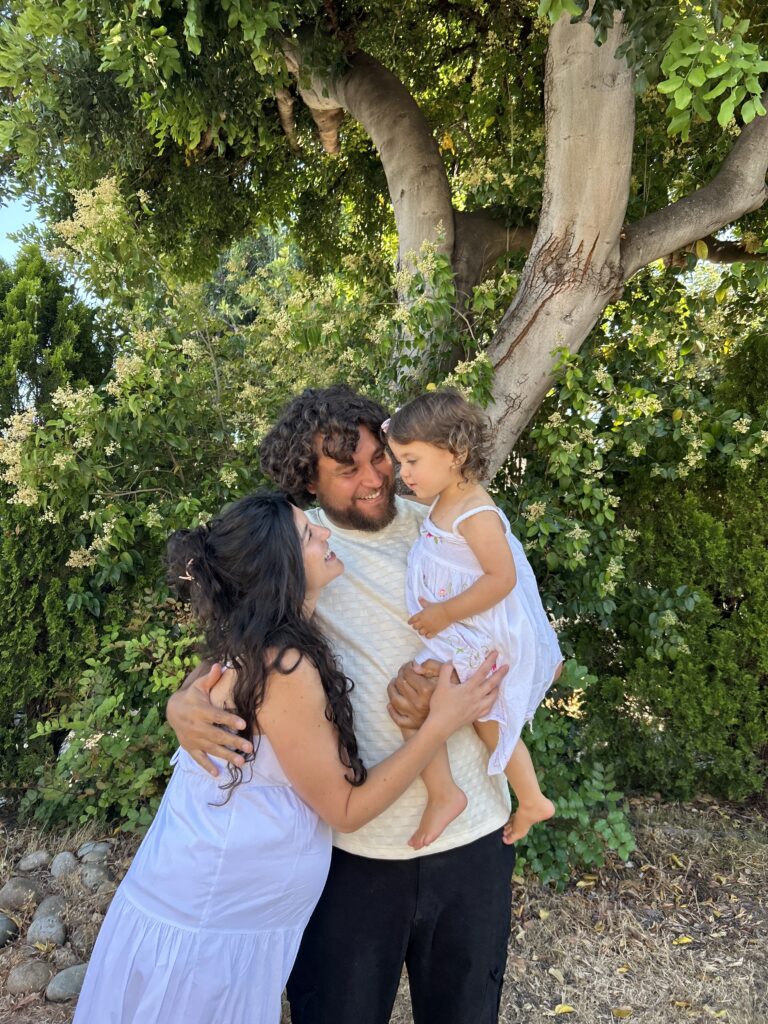
Kyle: It has really become clear to us how the health of one child is the health of all children. How we’re raising Deja, our daughter, has to extend to our neighbors because those are her peers and they all impact and influence each other. I think about the welfare of all of them together. Being parents has also opened up new possibilities for service, as we can relate to families in new ways.
Roya: A beautiful result of being immersed in the institute process is that we know that both our kids are going to have so many aunts, uncles and youth that are looking out for them, loving them and helping to shape their spiritual identity by cultivating positive relationships and examples of what it means to live a life of service.
Nadia: My adult sons had been encouraging me to consider remarrying, especially after they had both gotten married and were experiencing the joys of family life. Through getting married, Phillip became an instant grandpa (Papa Phill) to the children of my two adult sons.
What other principles from the Bahá’í Faith are you learning about through your marriage?
Roya: As a multiracial couple, we are having to learn about what the elimination of prejudice and the wellness of humankind look like in our family and marriage. Kyle is black and white, and I am Persian and white. We are learning to reconcile historical forces when they enter our relationship and family unit, and how to root out racism and white superiority [by consulting] as a couple when we notice certain dynamics emerge.
Kyle: In marriage, all that you do is going to serve your children and the institute process. We’re all coming from these historical deeply rooted challenges so it takes a lot of collective effort to start to reveal them. We don’t have all the answers, but it’s a process of building a new culture, and we can help to start figuring that out. In our family, we get to have conversations about race identity in a very real and practical way, and that is sacred. Marriage is empowering because that agreement and covenant we have with each other allows us to have these difficult conversations.
What are some new patterns you are working to implement?
Nadia: We are learning about how to cultivate an environment in our home that is spiritually uplifting and welcoming to all, maintain a proper balance of activity in the community with sufficient time spent nurturing our marriage and family life, and to harmonize our two families and the large circles of friends we each brought into the marriage. [We make] time to consult, and plan time to unwind and relax, even for just a half-hour bike ride or a walk to the park with our grandson. We place our commitment to service at the center of our marriage, so that our services to the community strengthens our marriage and family life rather than competing with it.
Phillip: We have daily musical devotionals at home, and a rich weekly schedule of activity with a strong focus on community building including children’s class, study circles, youth groups, home visits and social gatherings to deepen friendships with neighbors and engagement with community groups.
Kyle: We are trying to build a pattern of consultation in all things big and small. That’s hard because it requires a lot of intention. We try to be conscious of the postures we hold, the way we speak and express ourselves, and unpack how we have internalized what we think we should be doing in the marriage.

How does Bahá’u’lláh’s vision shape your perspective and involvement in the institute process?
Dylan: The idea of having a “Bahá’í home,” as the Universal House of Justice letter states, is something we continually reflect upon and strive to bring into reality. One particular spot of joy is the study circle we host every Wednesday – we cook and eat dinner with everyone and then get to study and reflect with friends!
Nadia: Many of the capacities that the institute has assisted us to build as individuals and in our service are naturally supporting us in our marriage. Consultation, daily prayer and study of the Writings, regularly reflecting on our actions in light of the guidance from the House of Justice and the Sacred Texts, centering the needs of the Plan, accompaniment and mutual support, a commitment to pursuing the two-fold moral purpose – all of these are as relevant to fostering strong marriages as they are to walking a path of service.
Roya: I think an old cultural pattern or mentality is that you only look out for your family. In Bahá’u’lláh’s Revelation we are tasked with how to see our neighbors as our brothers and sisters. We want to both preserve the integrity of our family unit, while thinking deeply about collective well-being. That’s a big challenge we’re facing and learning about; how to tend to both of these things together.